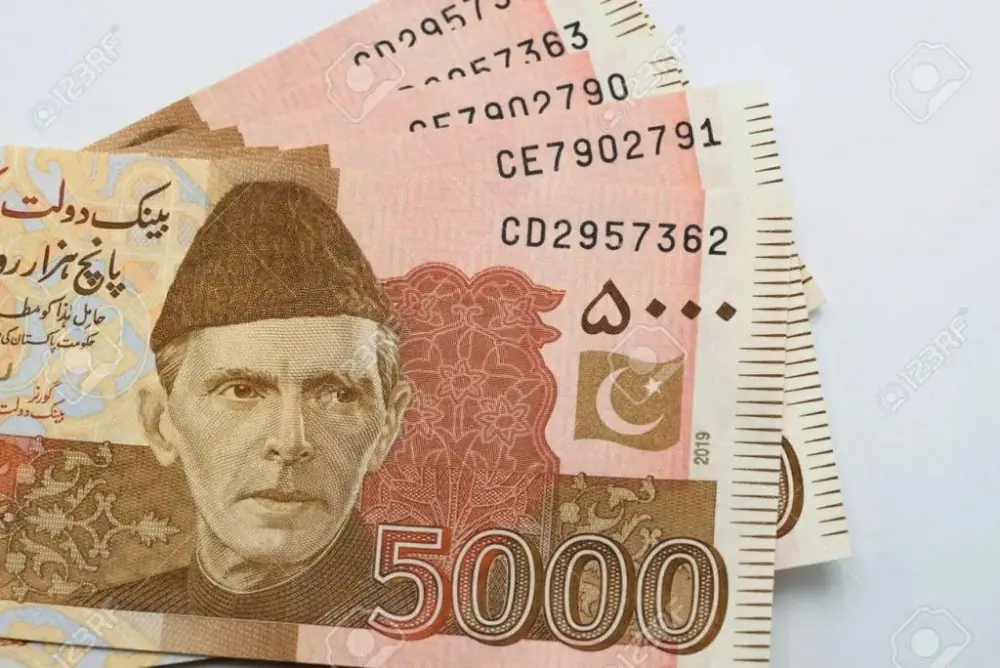
It is very important that the government must intervene to address the wealth inequality in Pakistan. Relying on markets and competition for the long-term prosperity of citizens is what causes wealth inequality.
Reflections Of Market Failure
Over the past few years, it has become increasingly difficult for the banking system to provide easy financial access to different sectors of society. Most economies make sure that home finance is easily available to people that want to get home ownership. Home financing is a way to reduce the wealth gap between the fortunate and less fortunate people in the country.

A typical family in Pakistan has a sole breadwinner in their 30s with a spouse and two kids. The breadwinner works in a mid-sized company in a busy city and will probably be living in a rented property whereby the rent amount is approximately PKR 20k ($96.5) per month. This rent is likely to increase at a rate of 10% per annum but if the salary doesn’t account for the growing house expenses, then it’s likely that this expense will eat away most part of the salary! In this case, there will be no room for savings or catering to other family needs. If an average employee could buy their home by paying the amount they used to pay as rent, there will be two key benefits from it. Firstly, mortgage payments are fixed so the person will be able to gather some savings. Secondly, owning a home would reduce the feeling of anxiety and despair as the family will be able to meet their financial needs more effectively.

Importance Of Policies That Counter Wealth Inequality
The main cause of market failure in the country was that until now, the banks or government had failed to introduce policies to reduce wealth inequality. The government has now introduced programs such as “Mera Pakistan Mera Ghar” in compliance with the Conventional and Shariah law. The program is specifically designed for people who want to buy 125, or at most, 250-square-yard houses. According to the program, the government subsidizes the markup payment. Also, partial risk coverage is born by the Pakistan Mortgage Refinance Company.

The typical loan size for a 125-square yard home is PKR 3 million (Approx. $14.5k). To date, the program has approved $1.01 billion in housing loans. The decision to approve or reject loans rests with the bank and not with the government. The banks look at the credentials of each applicant and then decide who is eligible to bear the monthly expenses. The world bank has also signed an agreement to show its support for this program.
This program is the best example of how the governments can put the tax money collected to good use i.e. in a way that benefits the society as a whole. Further interventions from international institutions will support such programs and reduce wealth inequality in the country.